Untitled (Pavo Urban)
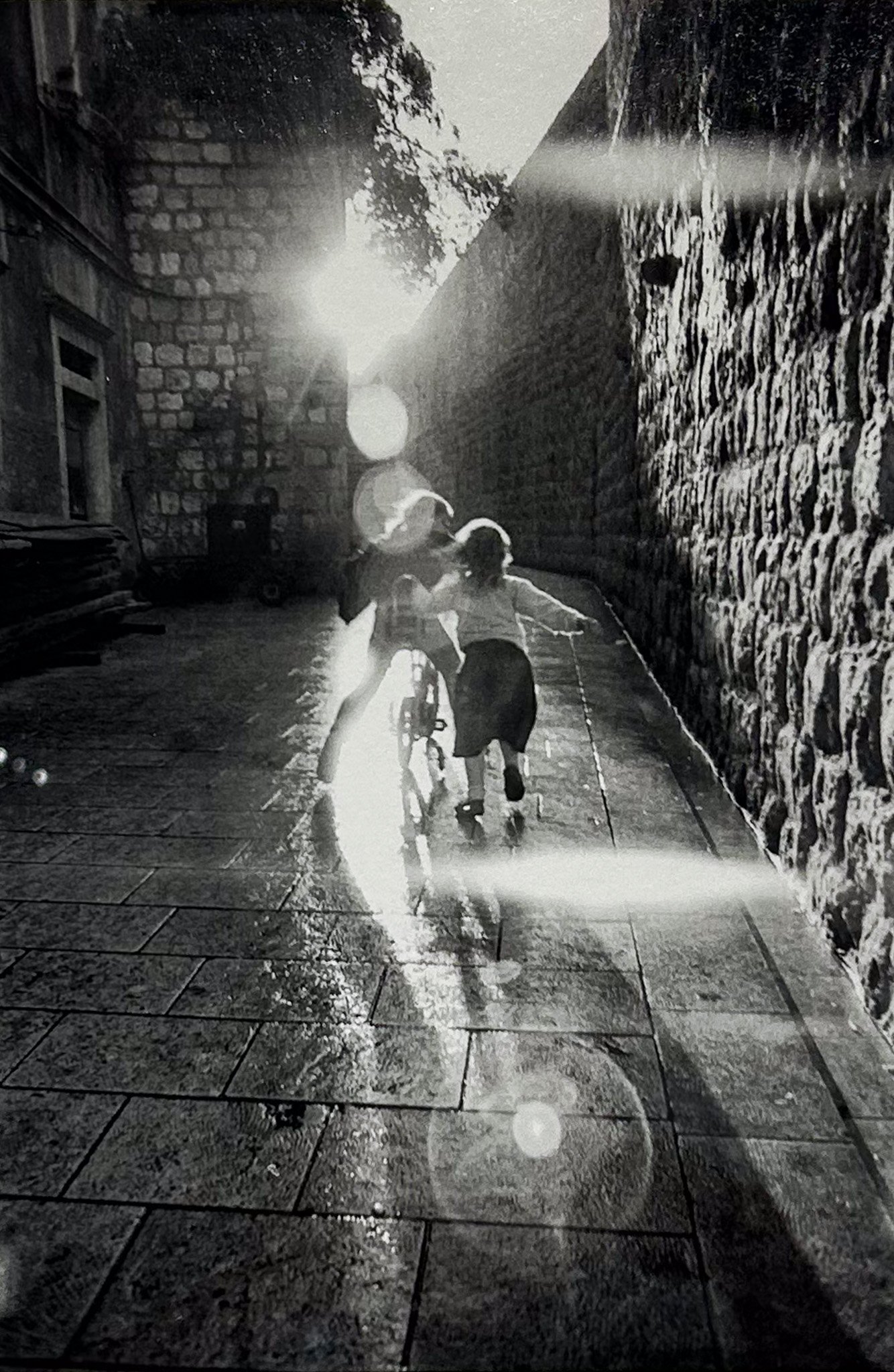
Untitled
Pavo Urban
Black and white photography
Mediterranean of Pavo Urban
Dulčić Masle Pulitika Gallery, Dubrovnik
I first encountered Pavo Urban’s (b. 1968) work this summer (2026) while exploring Dubrovnik for the first time. While escaping the hot June weather in the unshaded limestone city, my mother and I wandered into a small gallery exhibiting The Group of Six, a Croatian art collective founded in the 1970s that rejected the traditional system imposed by art institutions. We received a brief introduction to their history from the gallery worker, but while their works were unique in their own way, they were not what drew my eye.
Installed on the second floor of this gallery was a temporary exhibit dedicated to Urban. While I do not say this often, each photograph truly took my breath away. Urban was a self-taught photographer whose work radiated passion. He was an artist, yes, but first and foremost he was a journalist who was dedicated to capturing moments as they were. His works feel like nostalgia in the best way, and he captures the charms and pains of a war-torn Croatia.
Urban was educated at the Maritime Secondary School and the Maritime Faculty in the city of Dubrovnik. He was later accepted into the Academy of Dramatic Arts at the University of Zagreb, giving him the opportunity to leave his war-engulfed hometown (as Croatia was, at the time, fighting a war of independence). However, he decided to forego this offer and stay in Dubrovnik in order to document the assaults of Serbian forces. He began documenting attacks on the front line as a wartime journalist in September of 1991. Sadly, his career did not last long. In December of that year, he was struck by shrapnel, passing away at age 23 while taking pictures in the city centre. The twelve photos he took on this date, however, survived and are among the most moving and chilling wartime photographs I have seen.
After our tour of his works, we went back down to the first floor to thank the gallery worker for her time. She asked us how we liked the Urban exhibit and, after answering, she revealed to us that she had known him personally. Growing up, they had been neighbours and their older sisters were classmates, so she often crossed paths with him prior to the outbreak of the war. The more she talked about him, the more emotional she got. When asked what kind of a person he was, she replied, “[...] He was brave, the way he risked his life to make something for everybody.” I believe this statement sums up his work.
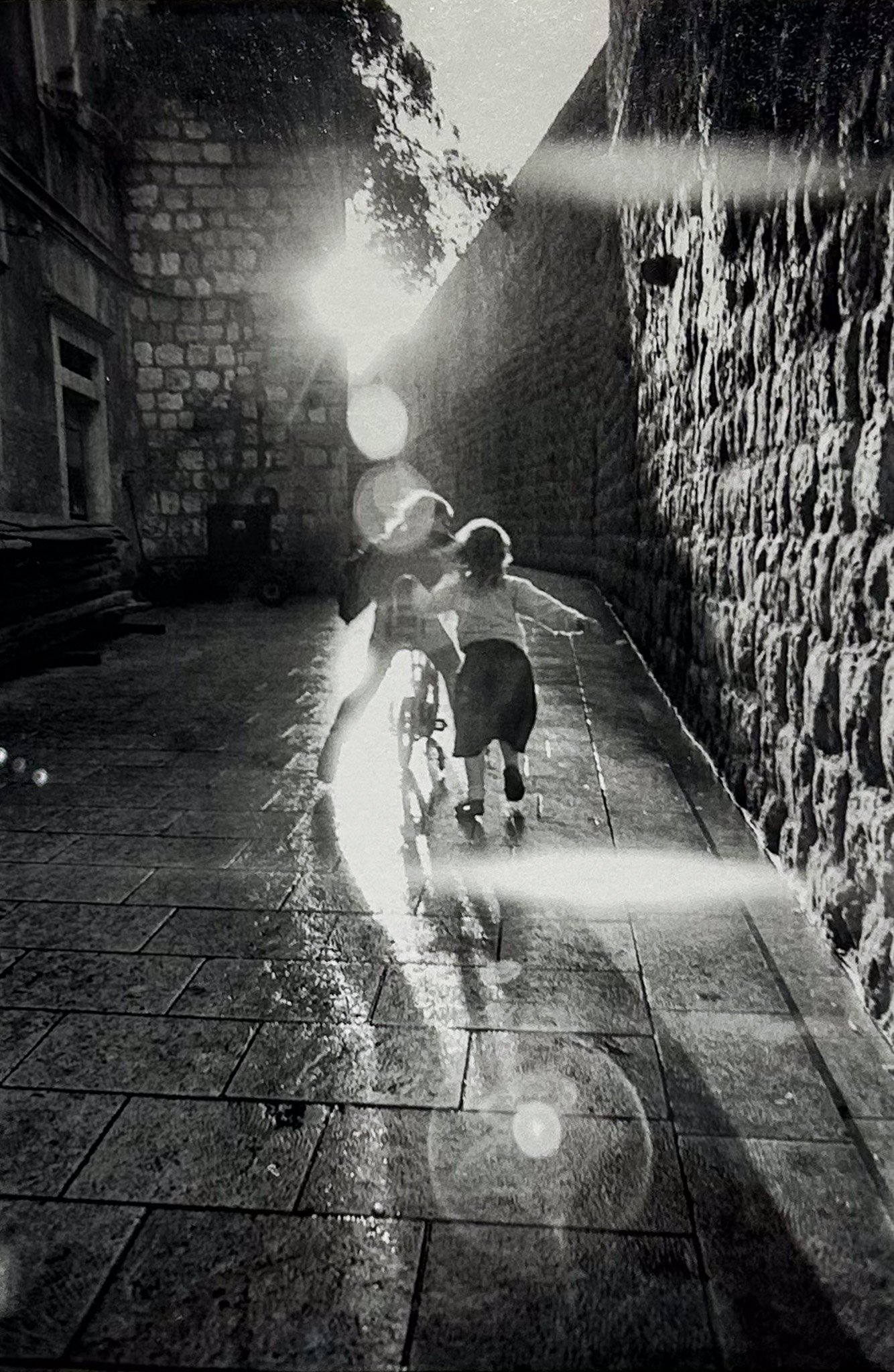
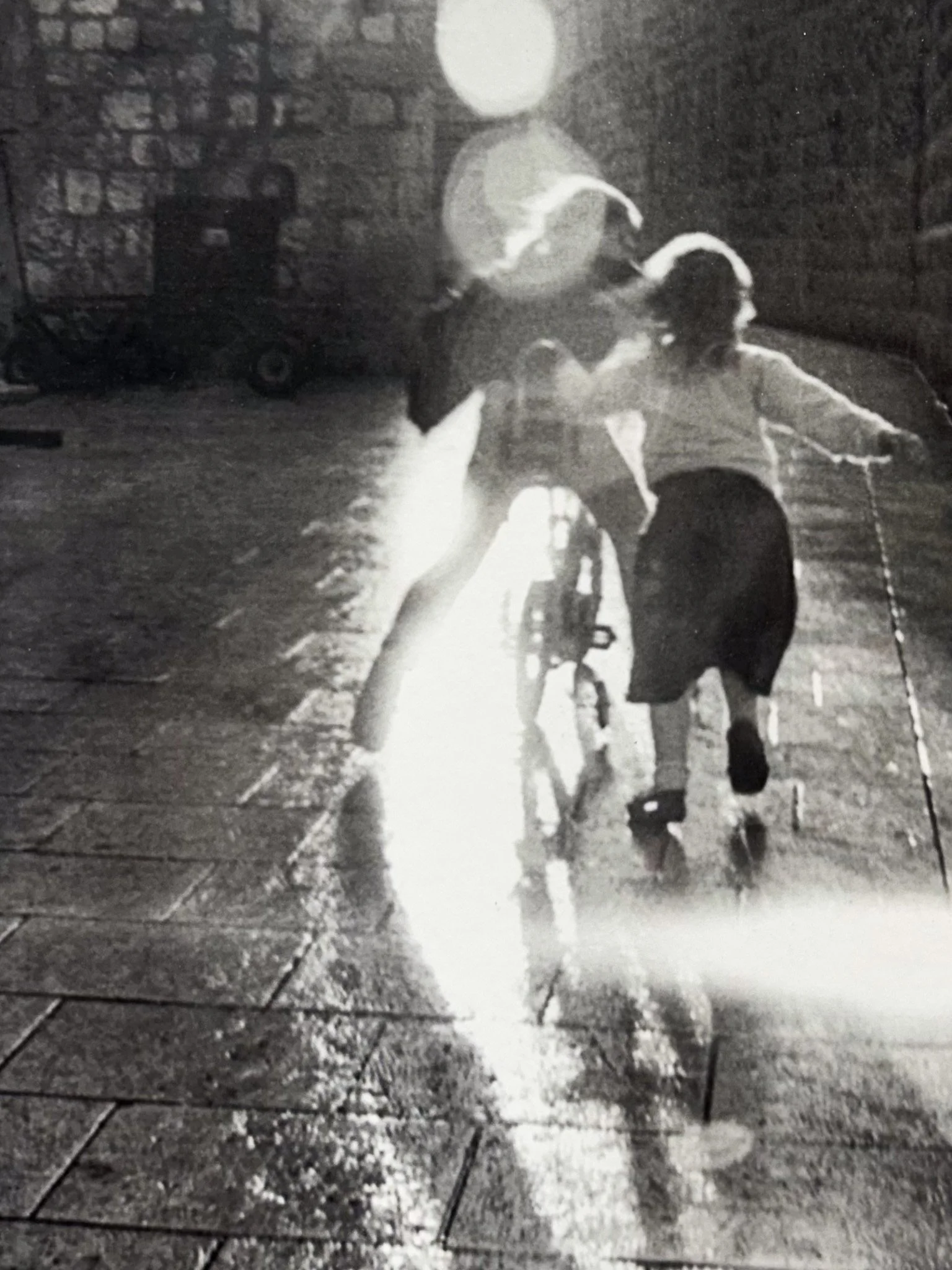
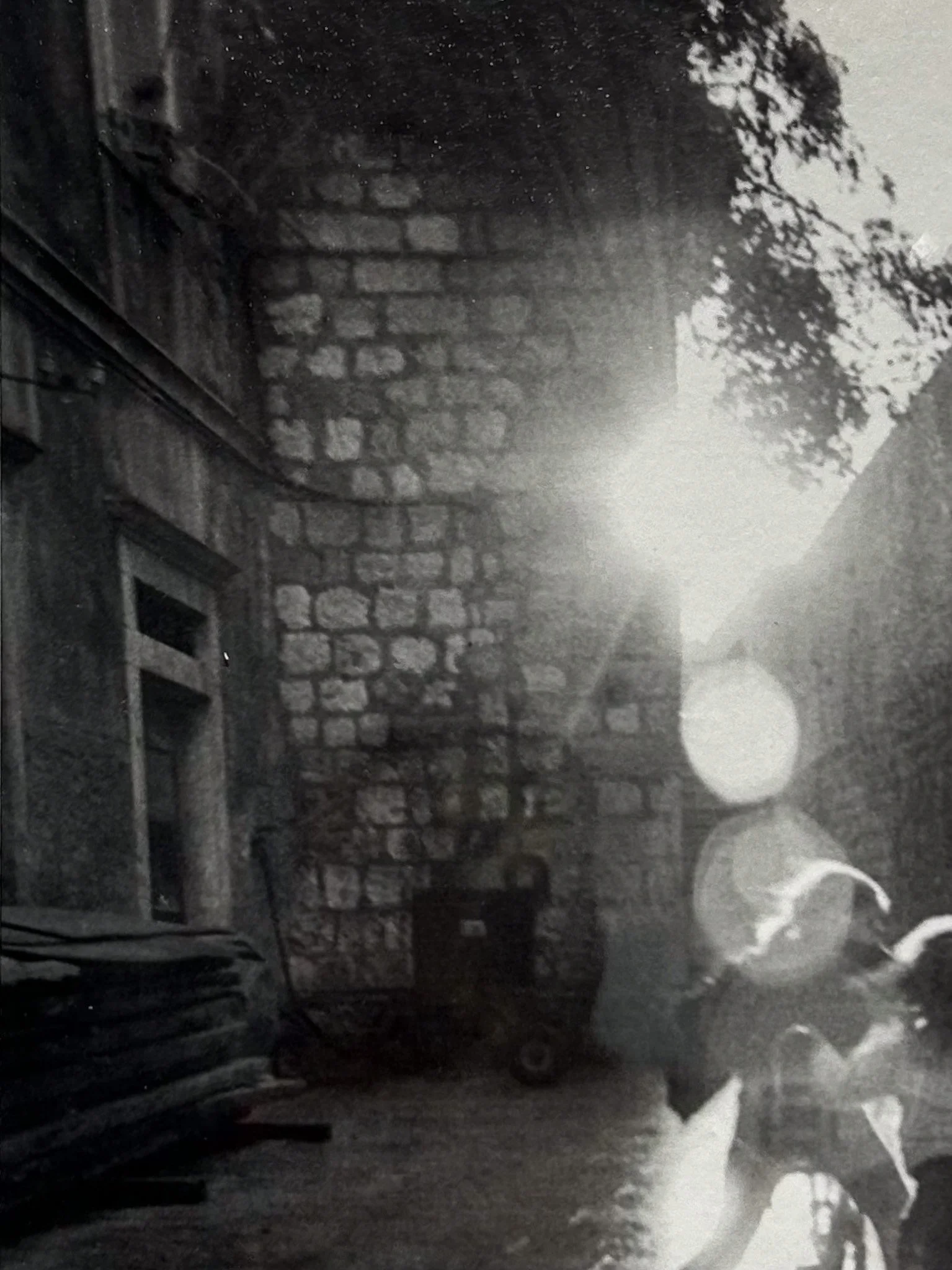
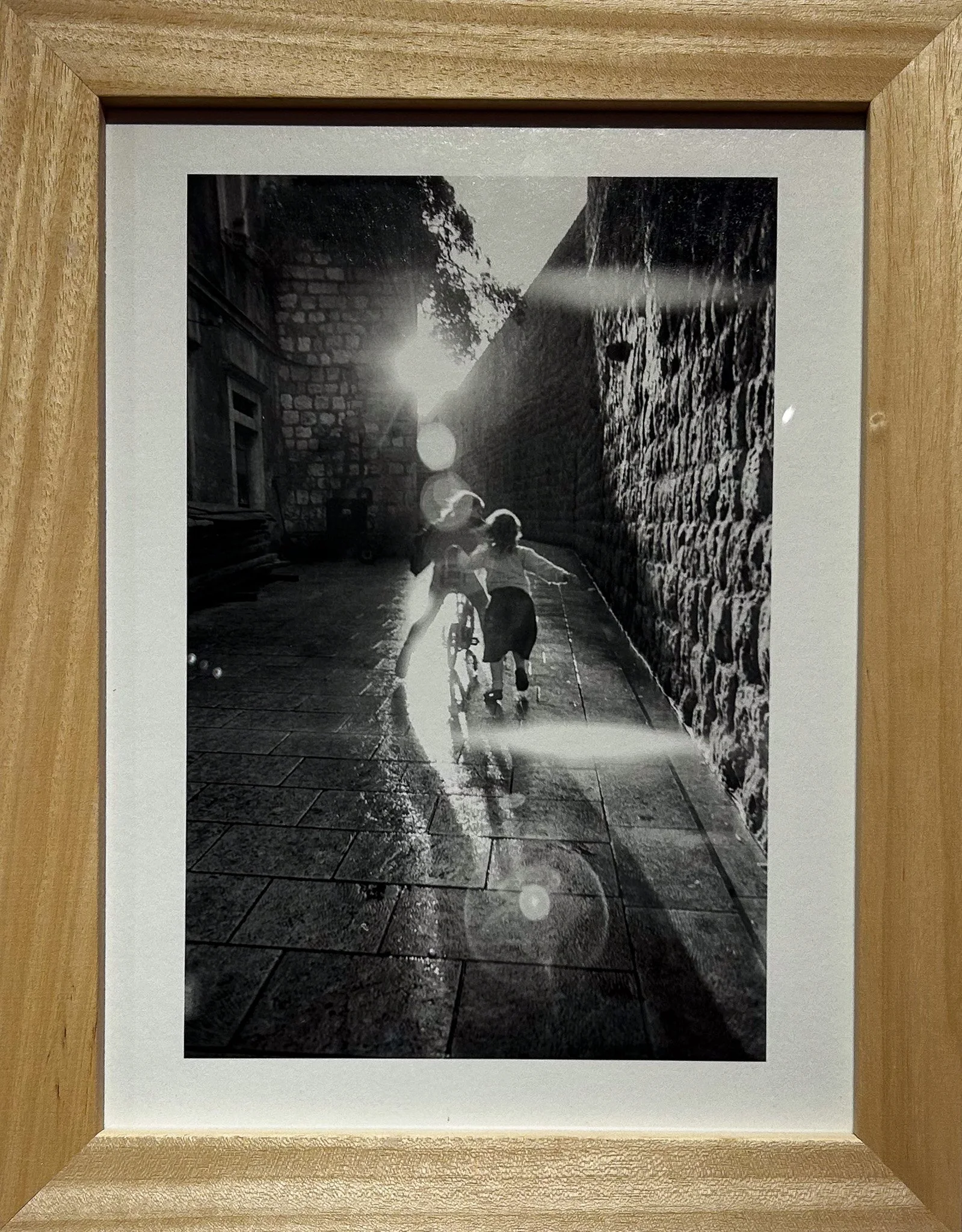
Below, I have inserted my favourite of his photographs, a candid and sun-glared image of two children playing with their bikes in the streets of Dubrovnik. This picture is one of his happier photographs and feels nostalgic. With the movement and the sheen of the sun hitting the camera, you can almost hear the children’s laughter. This photo is especially moving because, after looking at a picture of innocence, you remember the wider context of Croatia’s history and are reminded of the siege that would take place only a few years after this image was taken.
Although the photograph itself was untitled, it was subtitled with a stanza from a poem by Mahmoud Darwish’s I am from there:
“I am from there and I have memories
I was born, as all people are born,
I have a mother […]”